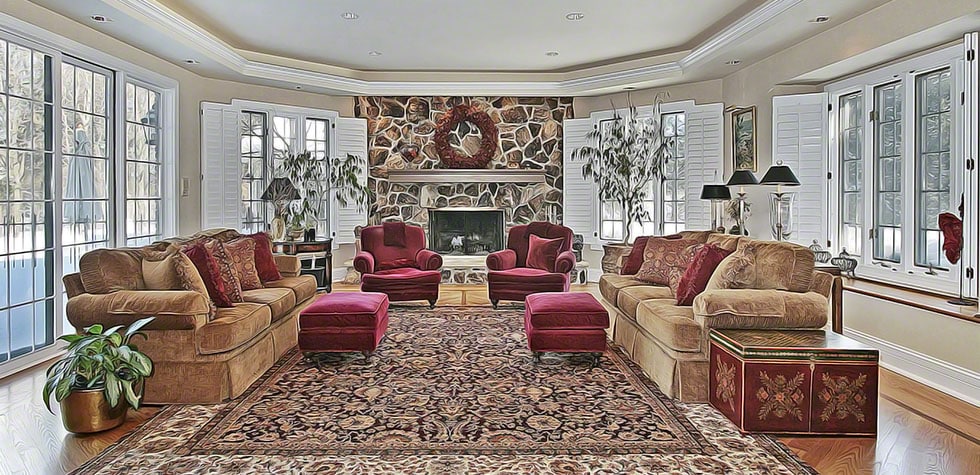

Embarking on a Condo remodel is an exciting opportunity to bring fresh energy and style into your living space, creating an environment that truly reflects your personality and lifestyle. This process involves more than merely swapping finishes; it demands an understanding of structural constraints and design possibilities unique to condominium living. From the initial planning stages to the final unveiling of a polished space, every step holds potential for enriching daily routines and boosting property value. With careful foresight and collaboration, homeowners can transform dated floor plans into modern havens that balance aesthetic appeal with practical functionality.
Understanding the Unique Benefits of Remodeling
When considering a condo renovation, many owners quickly appreciate how strategic updates can elevate both comfort and resale value. Unlike purchasing a new unit, remodeling allows for personalized design choices that cater to individual tastes and practical needs. Updating outdated kitchens, installing energy-efficient appliances, or introducing open-concept layouts infuse homes with renewed vibrancy, ensuring each square foot serves a well-defined purpose. As a result, residents enjoy an improved quality of life while simultaneously increasing market appeal, creating a dual benefit of immediate enjoyment and long-term financial return.
Navigating Space Constraints and Building Regulations
Condominium environments introduce specific limitations that set them apart from traditional single-family homes. Owners must contend with shared walls, limited floor-to-ceiling heights, and strict association rules aimed at preserving structural integrity and community aesthetics. Before swinging a sledgehammer, understanding municipality building codes and condo bylaws becomes critical, as these govern everything from noise levels and construction hours to modifications of load-bearing elements. By communicating early with homeowners’ associations and local inspectors, residents can avoid costly setbacks and ensure that proposed changes remain fully compliant with overarching regulations.
Crafting a Realistic Budget and Timeline
Successful condo remodels hinge on meticulous planning that aligns financial resources with desired outcomes. Creating a comprehensive budget involves not only estimating the cost of materials and labor but also reserving a contingency fund to cover unforeseen expenses such as hidden water damage or outdated electrical wiring. Equally important is defining a realistic timeline that accommodates permit applications, material lead times, and contractor availability. By breaking the project into phases—demolition, construction, finishing, and final inspections—homeowners set clear expectations, fostering a smoother renovation journey that adheres to deadlines and prevents budget overruns.
Navigating Permits and Condo Association Approvals
No condo renovation proceeds smoothly without securing proper approvals from local building departments and condominium boards. These bodies enforce guidelines designed to protect structural integrity and maintain community cohesion. Applications typically require detailed blueprints, contractor licenses, and proof of insurance, accompanied by fees and timelines that vary across jurisdictions. Failure to obtain timely approvals can result in work stoppage orders or fines, derailing both schedules and budgets. By partnering with contractors experienced in navigating these systems, owners expedite the permit process, reducing stress and ensuring that each phase of the remodel remains legally compliant.
Selecting Materials and Finishes for Lasting Appeal
Choosing the right materials for a condo remodel extends far beyond aesthetics, impacting longevity, maintenance requirements, and overall value. Luxury vinyl planks offer water-resistant flooring options that mimic hardwood’s warmth, while porcelain tiles create durable surfaces in moisture-prone bathrooms. Countertops range from classic granite to modern engineered quartz, each with unique properties—such as stain resistance and heat tolerance—that cater to busy kitchen environments. Cabinetry finishes, backsplash selections, and lighting fixtures further shape the ambiance, reflecting personal style while ensuring durability in high-traffic areas. Thoughtful curation of these elements establishes a timeless look that endures evolving trends.
Integrating Lessons from Commercial Remodeling
As homeowners weigh various design strategies, insights gleaned from commercial remodeling DC often prove invaluable. Commercial projects emphasize efficient use of space, durable materials, and streamlined workflows that translate seamlessly into residential settings. For instance, open-concept layouts common in trendy office spaces showcase how unobstructed flow enhances daily functionality, a principle easily adapted to condo kitchens and living rooms. Similarly, commercial-grade HVAC and lighting solutions—engineered for continuous operation—offer house-grade alternatives that boost energy efficiency and reduce maintenance. By borrowing these best practices, condo remodels achieve professional-grade results that balance style with practical considerations.
Maximizing Limited Square Footage with Smart Solutions
Space optimization remains a core challenge in many condo units, where square footage often caps at modest numbers. Creative solutions that combine form and function deliver significant benefits: built-in shelving units blend seamlessly into walls, providing storage without encroaching on living areas. Murphy beds and multi-purpose furniture save floor space, seamlessly transitioning rooms from daytime living to nighttime sleeping quarters. Strategic placement of mirrors magnifies natural light, creating an illusion of expanded space, while carefully choreographed furniture layouts preserve clear pathways and prevent cramped environments. These tailored approaches showcase how thoughtful design can overcome size constraints, fostering homes that feel both spacious and inviting.
Creating Culinary-Centric Spaces
Renovating a condo kitchen often becomes the heart of a broader remodel, as this area blends entertainment needs with everyday culinary routines. Modern appliances, such as energy-efficient dishwashers and induction cooktops, reduce utility expenses while boosting performance. Sleek under-cabinet lighting enhances visibility and ambiance, while pull-down faucets and deep sinks improve ergonomics. Cabinetry with soft-close hinges and full-extension drawers ensures easy access to cookware, while high-performance range hoods quietly maintain air quality. By combining aesthetic flourishes—like statement tile backsplashes or custom-stainless steel accents—with functional upgrades, homeowners create kitchens that serve as both culinary centers and social hubs, elevating daily routines.
Lighting Strategies for Bright, Inviting Interiors
Proper lighting dramatically transforms a condo’s atmosphere, influencing mood, functionality, and visual appeal. Layered lighting approaches combine ambient, task, and accent sources to cover all usage scenarios. Recessed ceiling fixtures provide even overhead illumination in living areas, while under-cabinet LED strips deliver focused light for kitchen prep. Dimmable pendants above dining surfaces set an intimate tone for dinner gatherings, and wall-mounted sconces flank mirrors to ensure even facial lighting in bathrooms. Smart home lighting systems enable residents to adjust brightness and color temperature with a voice command or touchscreen, seamlessly blending technology with ambiance. These strategies ensure that each room feels well-lit, welcoming, and visually unified.
Inspections and Touch-Ups
As a condo remodel approaches completion, meticulous inspections verify that all systems operate as intended and that finishes align with design specifications. Contractors and homeowners walk through each space together, identifying minor imperfections—such as uneven paint lines or grout inconsistencies—that require touch-ups. Plumbing fixtures receive final leak checks, while electrical circuits undergo thorough testing to confirm safe, reliable operation. Ensuring that door frames remain level and floors remain even prevents long-term wear issues, while caulking around tile edges safeguards against moisture intrusion. Addressing these final details solidifies the transition from construction site to comfortable home, leaving no aspect overlooked.
Conclusion
Whether your vision involves an effortless interior revamp or a more ambitious expansion that integrates additional living areas, understanding the role of home addition companies McLean can be transformative. These specialists excel in extending square footage—such as adding enclosed balconies or crafting integrated home offices—while navigating the structural and regulatory complexities unique to multi-unit dwellings. By collaborating with firms experienced in both residential and commercial projects, homeowners ensure that additions harmonize with existing architectural language, satisfy building codes, and enhance property value. Ultimately, partnering with professionals who prioritize both innovation and craftsmanship guarantees that your condo remodel achieves a lasting legacy of comfort, style, and functional excellence. wedb